

Self-Care: More Than Just a Trend?
Somewhere between the wellness industry turning self-care into a billion-dollar product category and the cultural backlash that followed, the actual meaning of the concept got thoroughly buried. Ask most people what self-care means and you will get answers involving bath bombs, scented candles, face masks, and the occasional spa day. Ask someone who is burned out, depleted, and running on nothing, and you will often get a guilty shrug followed by the admission that they know they should be doing more of it without any clear idea of what that means in practice.
Self-care for mental health has a history that predates Instagram by several decades and has nothing to do with consumer products. The concept originated in medical and psychiatric settings, where it described the practices patients engaged in to manage chronic conditions, maintain stability, and avoid relapse. It was clinical before it was commercial, and the clinical version is considerably more substantive than the one being sold back to us through lifestyle marketing.
The importance of self-care has been documented in research on burnout prevention, chronic illness management, caregiver wellbeing, trauma recovery, and general mental health maintenance. It is one of the most consistently supported concepts in health psychology. What gets lost in the trendy version of it is the distinction between what genuinely maintains psychological health and what simply feels pleasant in the moment but changes nothing about the conditions that are depleting it. This post draws that distinction clearly and makes the case for self-care as a serious, evidence-based practice rather than a luxury or a marketing category.
What Real Self-Care Actually Means
The World Health Organization defines self-care as the ability of individuals, families, and communities to promote health, prevent disease, maintain health, and cope with illness and disability with or without the support of a healthcare provider. That definition is far removed from bubble baths. It describes an active, ongoing practice of attending to the conditions that support health, and it includes behaviors that are sometimes uncomfortable, demanding, or structurally difficult to maintain.
What is real self-care in a clinical sense is better understood through the work of Audre Lorde, the American writer and activist who wrote in 1988 that caring for myself is not self-indulgence, it is self-preservation, and that is an act of political warfare. Lorde was writing specifically about self-care in the context of marginalized communities under sustained systemic pressure, and her framing captures something the wellness industry version misses entirely: genuine self-care is a response to real conditions that deplete real people, not a reward for productivity or a treat to be earned.
Self-care versus self-indulgence is a distinction worth holding precisely because the confusion between them is one of the primary reasons people either abandon self-care as frivolous or feel guilty for engaging in it. Self-indulgence is consumption that produces temporary pleasure without addressing underlying needs. Real self-care addresses the actual conditions of depletion: sleep deficits, unprocessed stress, neglected relationships, physical health needs, emotional experiences that have not been attended to. It may or may not be pleasant. What it is, is necessary.
Why Self-Care Importance Is Grounded in Biology
The reason why self-care is important is not sentimental. It is biological. The human body and brain have finite resources that are depleted by sustained demand and restored by adequate recovery. When recovery is consistently insufficient relative to demand, the systems responsible for physical health, emotional regulation, cognitive function, immune response, and stress management begin to deteriorate. This is not a metaphor for feeling tired. It is a description of measurable physiological processes with documented health consequences.
Research from Herbert Benson at Harvard Medical School, whose work on the relaxation response established the physiological basis of stress management practices, demonstrated that deliberate activation of the parasympathetic nervous system through rest, slow breathing, and reduced stimulation produces measurable reductions in cortisol, blood pressure, and inflammatory markers. These effects are not produced by passively waiting to feel better. They require specific practices that activate the body’s recovery systems, which is precisely what real self-care does.
The concept of allostatic load, developed by Bruce McEwen at Rockefeller University, describes the cumulative physiological cost of chronic stress exposure. High allostatic load is associated with accelerated aging, increased risk of cardiovascular disease, immune suppression, and cognitive decline. The practices that reduce allostatic load, adequate sleep, regular physical activity, social connection, stress regulation, meaningful activity, are the practices that constitute genuine self-care for mental and physical health. They are not optional additions to a full life. They are the maintenance operations that keep a full life sustainable.

The Different Dimensions of Self-Care Most People Neglect
Emotional Self-Care: The Most Overlooked Domain
Emotional self-care is the category that most wellness content mentions least and that research identifies as most critical for sustained psychological health. It involves attending to emotional experience honestly rather than suppressing, avoiding, or performing around it. This includes allowing yourself to feel difficult emotions rather than immediately redirecting away from them, processing experiences through reflection, conversation, or writing rather than accumulating them as undigested psychological weight, and developing the capacity to recognize your own emotional state accurately enough to respond to it rather than simply reacting.
Research from James Pennebaker at the University of Texas, referenced earlier in this series, demonstrated that the act of putting emotional experience into language, whether through writing or conversation, produces measurable improvements in immune function, psychological distress, and physical health outcomes. The mechanism involves the prefrontal cortex engagement that language-based processing activates, which reduces amygdala reactivity to the emotional material being processed. Emotional self-care is not indulgent rumination. It is the active processing that prevents experiences from accumulating as chronic stress.
Physical Self-Care as a Mental Health Tool
Physical self-care and mental health are connected through biology that has been covered across several posts in this series. Sleep, exercise, and nutrition each affect mood, cognitive function, emotional regulation, and stress resilience through specific and well-understood mechanisms. What is worth adding here is the frame: physical self-care is not primarily about appearance or fitness achievement. It is a mental health intervention. A person who sleeps seven to nine hours, moves their body regularly, and eats in ways that support stable blood glucose is giving their brain the physical conditions it needs to regulate emotion, manage stress, and sustain the kind of functioning that allows everything else in life to work.
Research from the field of nutritional psychiatry, led by Felice Jacka at Deakin University in Australia, has established significant associations between dietary patterns and mental health outcomes. A large randomized controlled trial published in BMC Medicine found that participants with moderate to severe depression who followed a Mediterranean-style dietary intervention for 12 weeks showed significantly greater improvement in depressive symptoms than a social support control group. The physical body is not separable from the emotional mind, and caring for one is always, in some measure, caring for the other.
Self-Care and Burnout Prevention
Self-care and burnout prevention are directly connected through the logic of sustainable capacity. Burnout, as described in the academic work post and the digital burnout post in this series, results from sustained output without adequate recovery. The conditions that prevent burnout are identical to the conditions that constitute genuine self-care: protected sleep, physical activity, social connection, activities that produce genuine enjoyment rather than just productivity, time away from demands, and the preservation of a sense of identity and meaning that extends beyond role performance.
Research from Christina Maslach, whose burnout framework has been discussed across multiple posts in this series, identifies the mismatch between demands and resources as the core driver of burnout. Self-care is precisely the practice of maintaining resources adequate to the demands being placed on them. When self-care is consistently deprioritized in favor of meeting demands, resources deplete. When they deplete below a threshold, burnout is not a risk but an inevitability, and recovery from it requires considerably more time and intervention than prevention would have.
Addressing Self-Care Guilt
Self-care guilt is one of the most common and least-discussed barriers to genuine self-care, particularly among people who have been socialized to prioritize others’ needs over their own, including caregivers, parents, people-pleasers, and those from cultural backgrounds that frame self-prioritization as selfish. The guilt functions as a kind of internal policing mechanism that makes rest, enjoyment, and self-attention feel like violations of an obligation rather than legitimate needs.
Research on compassion fatigue in caregiving professions found that individuals who experienced the most self-care guilt showed the highest rates of burnout, poorer quality of care for those they were caring for, and worse personal health outcomes. The irony is that the guilt which presents itself as ensuring adequate attention to others is in practice one of the primary mechanisms that makes sustained giving impossible. Attending to your own needs is not a diversion from caring for others. For people whose lives involve significant giving, it is the precondition for it.
Self-Care vs Self-Indulgence: Drawing the Line Clearly
The distinction that matters most practically is not between expensive and cheap self-care, or between solo and social self-care, but between self-care that addresses the actual sources of depletion and self-care that provides temporary comfort without changing anything structural. A glass of wine after a stressful day is not self-care in any meaningful clinical sense. It is an immediate comfort that may slightly reduce tension while doing nothing about the stress that produced it and potentially adding to the physiological load through alcohol’s effects on sleep and mood regulation.
True self-care is often less immediately appealing than self-indulgence because it addresses needs rather than wants, and needs are sometimes inconvenient to meet. Going to bed at a consistent time when there are still things undone is self-care. Having a difficult conversation that has been avoided because it creates temporary discomfort is self-care. Setting a boundary that disappoints someone is self-care. Saying no to a commitment that would push you past your sustainable capacity is self-care. None of these look like what the wellness marketing version of the concept promises, but all of them are what the research identifies as the practices that actually protect and restore psychological health.
Evidence-Based Self-Care Practices That Actually Work
Sustainable self-care habits are the ones built on realistic assessment of what your life actually requires rather than aspirational visions of what ideal self-care should look like. The following practices are drawn from the research across this series and from the broader evidence base in health psychology, organized by the domain of need they address.
The Non-Negotiables
The evidence for sleep, physical movement, and social connection as foundational self-care is consistent enough across disciplines to treat these not as optional self-care practices but as baseline requirements. Research across thousands of studies and multiple decades has established that below adequate sleep, inadequate physical activity, and sustained social isolation each independently increase risk for every major mental health condition and accelerate physical health deterioration. These are not additions to self-care. They are its foundation, and building anything else on top of them while neglecting them is structurally unsound.
Building a Daily Self-Care Routine for Mental Health
A daily self-care routine for mental health does not need to be elaborate, time-consuming, or expensive. Research on habit formation, covered in detail in the healthy habits post on this site, establishes that consistency matters far more than intensity or duration. A routine built around five to six genuinely protective behaviors, each taking five to fifteen minutes, maintained consistently across most days, produces significantly better mental health outcomes than elaborate self-care practices performed occasionally.
- A consistent sleep and wake time seven days a week, including weekends. As discussed in the sleep post, this single habit has more impact on mental health than almost any other behavioral change available.
- Ten to twenty minutes of physical movement each morning, specifically before checking any devices. Research consistently shows that morning physical activity reduces cortisol, improves mood, and sets a physiological tone for the day that is more resilient to stress.
- One genuine connection with another person each day, whether a brief phone call, a meal shared, or a conversation that goes beyond transactional exchange. Social connection is a biological health resource, not a leisure activity.
- A defined end to the working day, marked by a transition ritual that signals to the nervous system that the demand phase is over. As discussed in the burnout and digital posts, the absence of this boundary is one of the primary drivers of chronic depletion.
- Five minutes of intentional reflection at the end of the day, whether through journaling, quiet sitting, or brief meditation. The evidence for even minimal reflective practice on emotional processing, sleep quality, and next-day mood is substantive and consistent across studies.
- Weekly activities that produce genuine enjoyment, mastery, or meaning rather than productivity. Research on psychological wellbeing consistently identifies engagement in activities valued for their own sake as a primary predictor of life satisfaction and emotional resilience. These are not luxuries. They are needs.
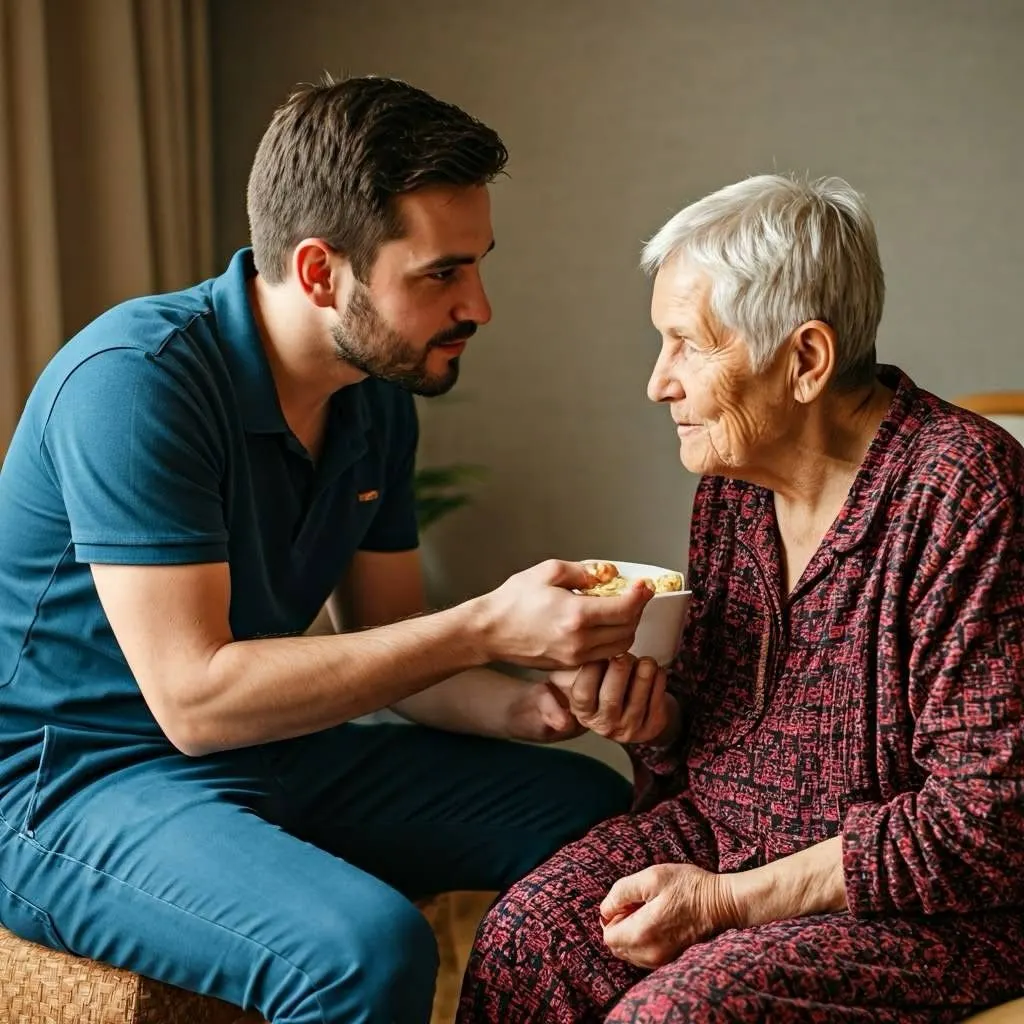
Self-Care Is Not a Reward. It Is How You Stay Functional.
The wellness industry has done something genuinely damaging to the concept of self-care by turning it into a product category and a performance of having it together, because it has made self-care feel like something available to people who can afford the products and have the time to perform the ritual, rather than a basic orientation toward one’s own needs that is available to anyone who decides to take it seriously.
Real self-care for mental health is not photogenic. It is going to bed when you are tired rather than scrolling for another hour. It is eating in ways that support your brain rather than just your palate. It is saying no to things that would deplete you past your recovery capacity. It is attending to emotional experiences rather than burying them. It is asking for help when you need it rather than managing alone until you cannot. None of these require money, a therapist, or a wellness subscription. They require taking your own needs as seriously as you take everyone else’s.
If this series has given you anything, let it be that. The research is consistent across every topic covered here. Mental health is not maintained by pushing through indefinitely and recovering occasionally. It is maintained by building the conditions of recovery into the structure of ordinary life. Self-care is what that looks like in practice, stripped of the marketing and returned to its original meaning.
Share this with someone who is running on empty and calling it normal. And if your depletion has progressed to the point where self-care alone does not feel sufficient, that is important information, and the rest of this site has resources and links that can help you find the professional support that comes next.